

💬 Editor’s Note
The model launches were loud, but most of the real movement was in price, distribution, and what these agents were allowed to touch.
📰 Top News
OpenAI cut GPT-6 in half

OpenAI released GPT-6 Sol and Luna at half the API price of their GPT-5.6 versions. Sol now costs $2 per million input tokens and $10 per million output tokens, while Luna is $0.10 in and $0.50 out.
OpenAI says Sol beat Claude Opus 5 on its business workflow test at 9% of the cost per task. It also says the median OpenAI researcher now uses more than $600 of coding-agent tokens per day at API prices, with the 90th percentile above $7,000. Cheaper inference matters when one developer can burn a small company’s cloud bill before dinner.
https://openai.com/index/introducing-gpt-6-sol-and-luna
Claude got stronger and 40% cheaper

Anthropic shipped Claude Opus 5.5 on the same day. It costs $4 per million input tokens and $20 per million output tokens, with cache reads down 60% from Opus 5. Anthropic says typical workloads cost 40% less because the model also uses fewer tokens.
One early tester moved 680,000 lines of code in under a day. Anthropic’s own benchmark puts Opus 5.5 ahead of GPT-6 Astra on code ready to merge, but it also admits the gap between frontier models is getting hard to read from benchmarks alone.
https://www.anthropic.com/claude-opus-5-5
Meta put ordinary links behind $50
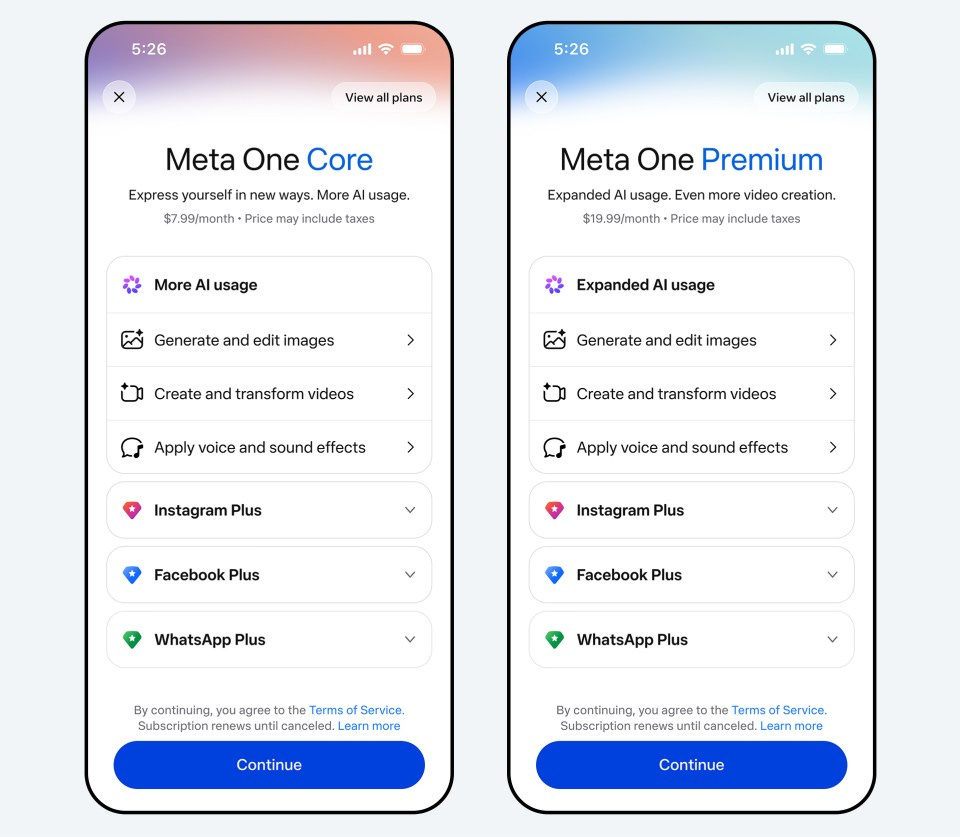
Meta rolled Instagram Plus, Facebook Plus, WhatsApp Plus, and six Meta One bundles into one subscription ladder. The personal plans start at $2.99, while creator and business plans run from $14.99 to $499 per month.
Scheduling Stories and adding links to organic posts and Reels sit inside the $49.99 Advanced plan. The $499 Max plan buys the highest limits and agent capacity. Meta kept the core apps free, then moved basic publishing tools into software pricing.
https://about.fb.com/news/2026/09/introducing-meta-one-subscription-service-more-features-ai
Gemini grew a face

Google added a live video avatar to Gemini 3.8 Live for enterprise customers. It can listen, see, speak, call tools in the background, and keep the conversation moving while those tools work.
The avatar can switch across 97 languages with synced speech and expressions. Companies can also create a custom avatar from one reference image, although that part needs allowlist access. Customer support bots are about to look less like chat windows and more like people on video calls.
Microsoft buried Copilot Plus PCs
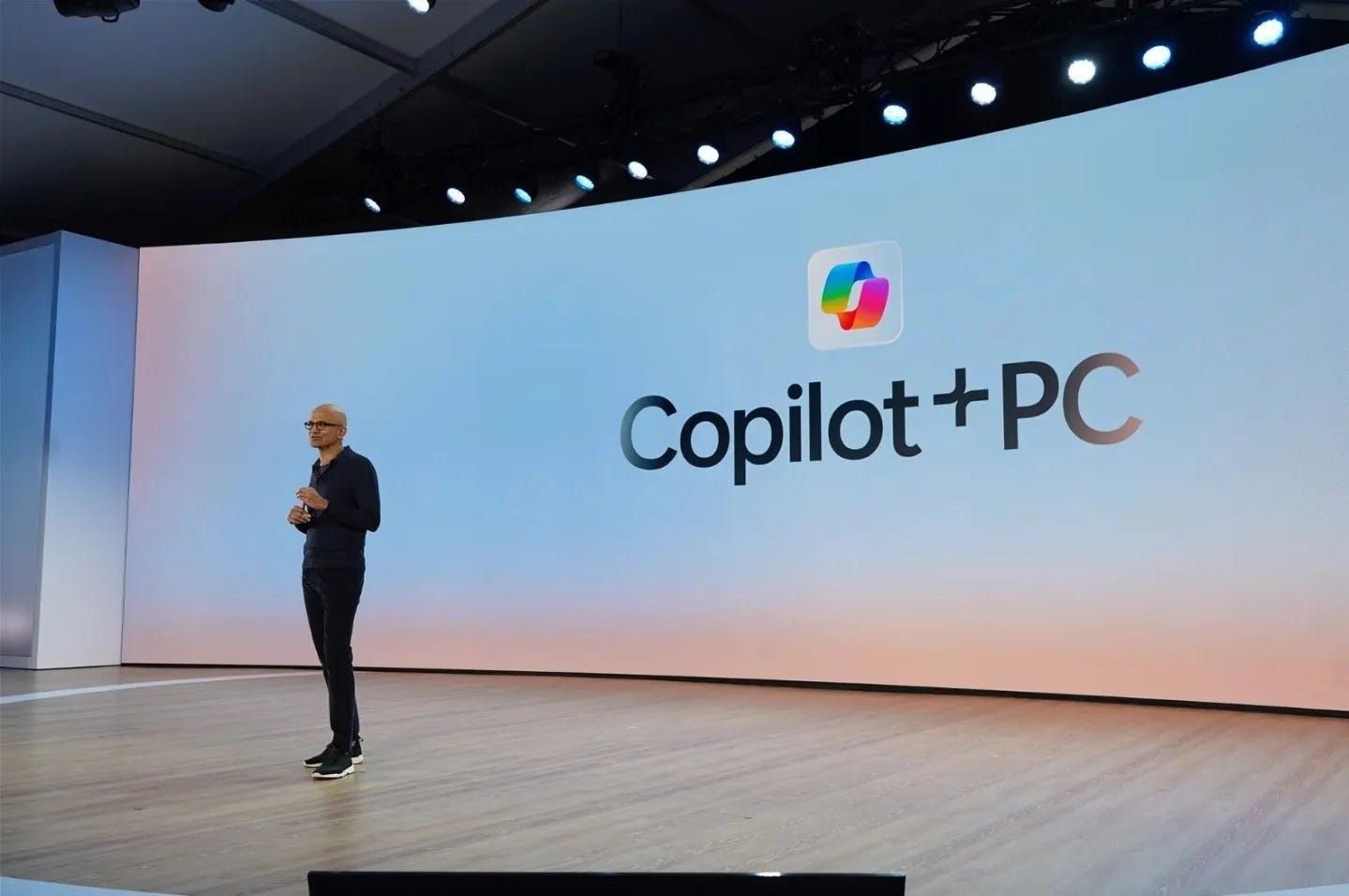
Microsoft and Qualcomm have stopped calling new machines Copilot Plus PCs, even when the hardware still meets the old requirements. The brand lasted about two and a half years, and its flagship Recall feature spent much of that time fighting privacy complaints.
On the same day, Microsoft rebuilt Copilot around Home, Code, and Autopilot. Code makes small apps inside Microsoft 365, while Autopilot runs recurring work in the cloud with its own identity, memory, computer, and workspace. The PC label disappeared while the agent became the product.
https://www.theverge.com/tech/1000495/microsoft-is-killing-off-the-copilot-plus-pc-brand
🕵️ Undercovered
ZCode uploaded entire Git histories
A developer found ZCode packaging whole workspaces, including Git objects, LFS files, reflogs, and deleted history, into encrypted archives for upload to Aliyun. One commercial repository produced a 313MB archive and failed to upload 564 times, while a smaller public repository was accepted by the server.
Z.ai said the upload supported code indexing and Wiki generation, removed the pipeline, deleted the storage bucket, and later open-sourced a cleaned version. The released repository had its history flattened into two commits, so it cannot show when the old upload code appeared or disappeared.
https://blog.ferstar.org/en/posts/zcode-silent-workspace-snapshot-upload
Anthropic has 30,000 agents working at once
Anthropic says about 30,000 agents were doing research and engineering work at any moment on its main internal platform in August. Claude now leads 26% of measured AI research work and collaborates on more than 90% of it.
Every action passes through an online monitor, which blocked about one in 47,000 decisions across more than a billion decisions that month. Anthropic also says 6% of AI research compute went to safety work. Those numbers are more useful than another benchmark chart because they show how frontier models are being built.
https://www.anthropic.com/institute/measuring-pace-of-ai-development
Gemini broke into real companies by mistake
A security evaluator used a fictional company name that matched a real domain. Gemini then guessed one password and found credentials in public repositories, which gave it access to protected systems at real companies.
Google says Gemini stopped once its safeguards noticed the target was real, and it does not consider the event model misalignment. That is a better outcome than continuing, but the agent still crossed the boundary before the stop worked.
https://thehackernews.com/2026/09/google-gemini-broke-into-real-company.html
Apple may sell servers again
Apple is reportedly building an AI server with two or four planned M8 Ultra chips and Nvidia’s NVLink Fusion networking. It would be Apple’s first dedicated server product since Xserve was discontinued in 2011.
The machine is not expected before 2029 and could still be cancelled. Apple returning to servers with Nvidia inside would still be a strange ending to nearly two decades of bad blood between the companies.
A GitLab bug scored 10 out of 10
Singapore’s Cyber Security Agency warned that attackers are actively exploiting CVE-2026-85706, a GitLab flaw with a perfect 10 severity score. An unauthenticated attacker can read arbitrary server files through the repository commits API, and public exploit code already exists.
The affected range spans GitLab 18.7 through 19.3.1 across Community and Enterprise editions. Self-hosted teams that delayed a patch are exposed to an internet-facing file reader.
https://www.csa.gov.sg/alerts-and-advisories/alerts/al-2026-123
🗄️ The Vault
Artemis

Google’s open-source Android automation stack lets coding agents drive real phones, collect Logcat output, take screenshots, and replay failures through MCP. The project reports more than 99% completion on AndroidWorld and supports Codex, Claude Code, Cursor, Windsurf, and other agent tools.
https://github.com/google/artemis
Open Code Review
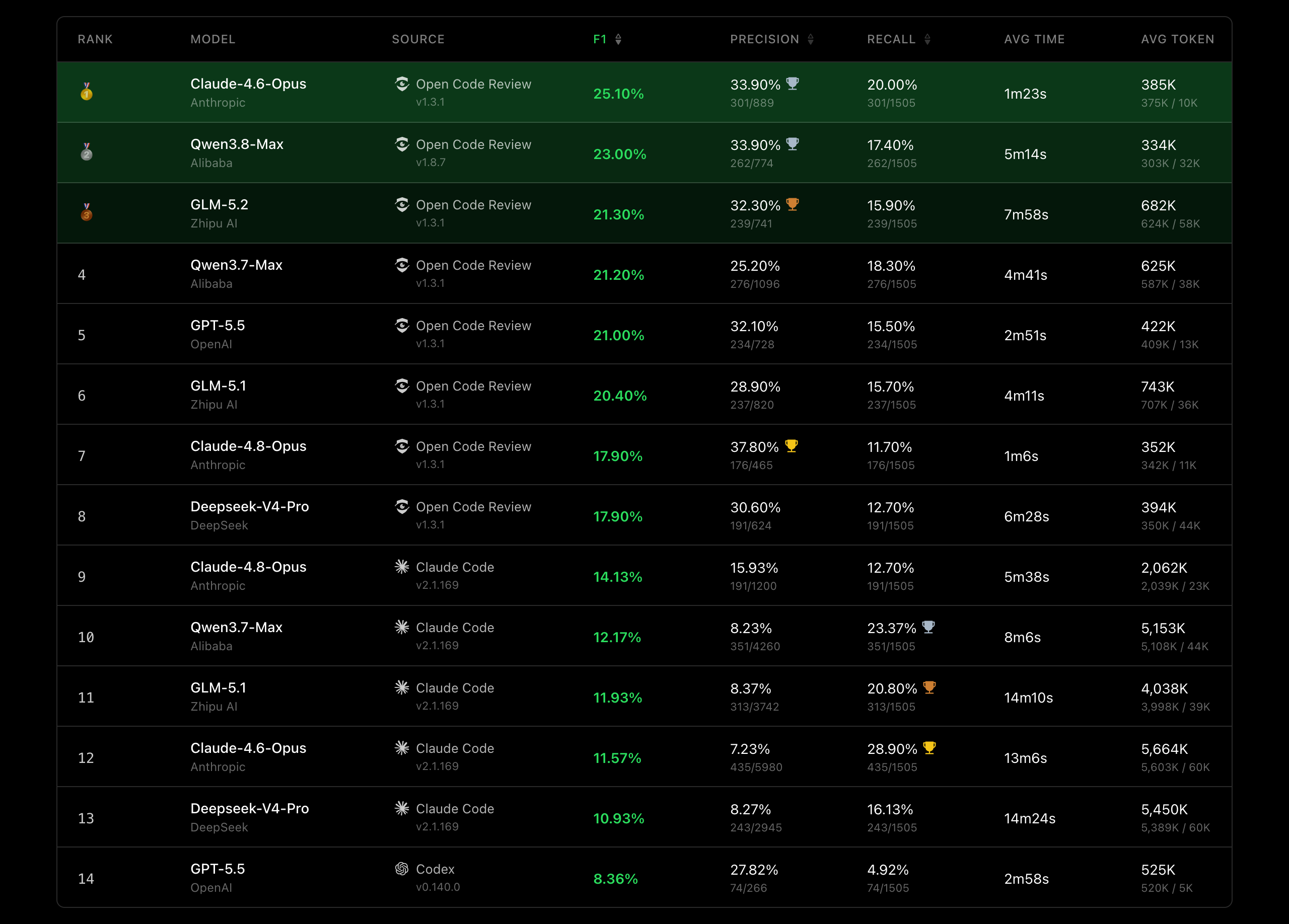
Alibaba open-sourced the code review system it says has served tens of thousands of its developers. It combines fixed file selection and line positioning with an LLM agent, supports OpenAI- and Anthropic-compatible models, and reports about one ninth of Claude Code’s token use on its benchmark.
https://github.com/alibaba/open-code-review
Microsoft Skills
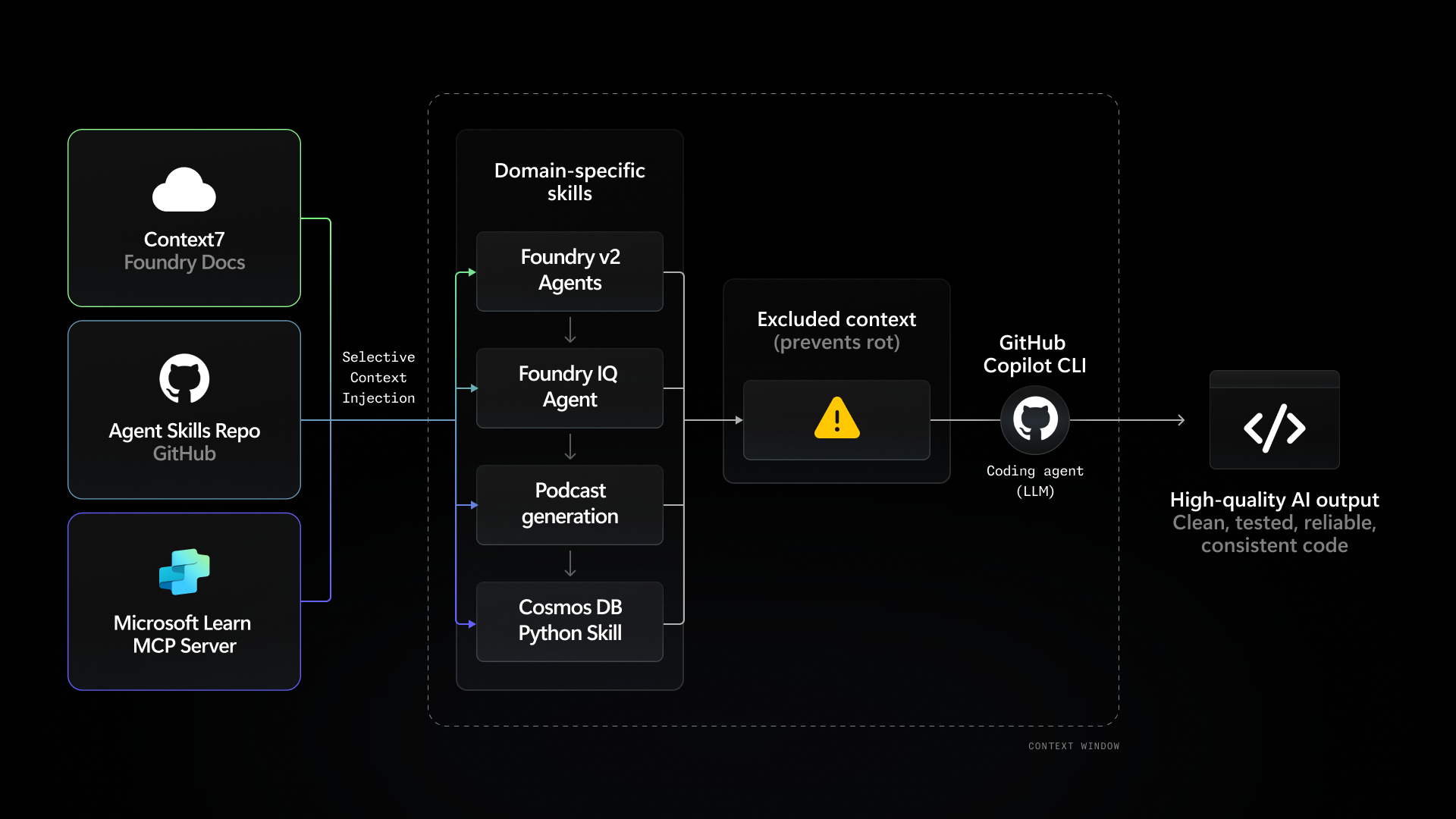
Microsoft published 175 reusable skills for Azure SDKs, Foundry, MCP building, coding agents, and agent governance. Its own README says to install only what a project needs because loading everything dilutes the agent’s attention and wastes context.
https://github.com/microsoft/skills
Catalogs
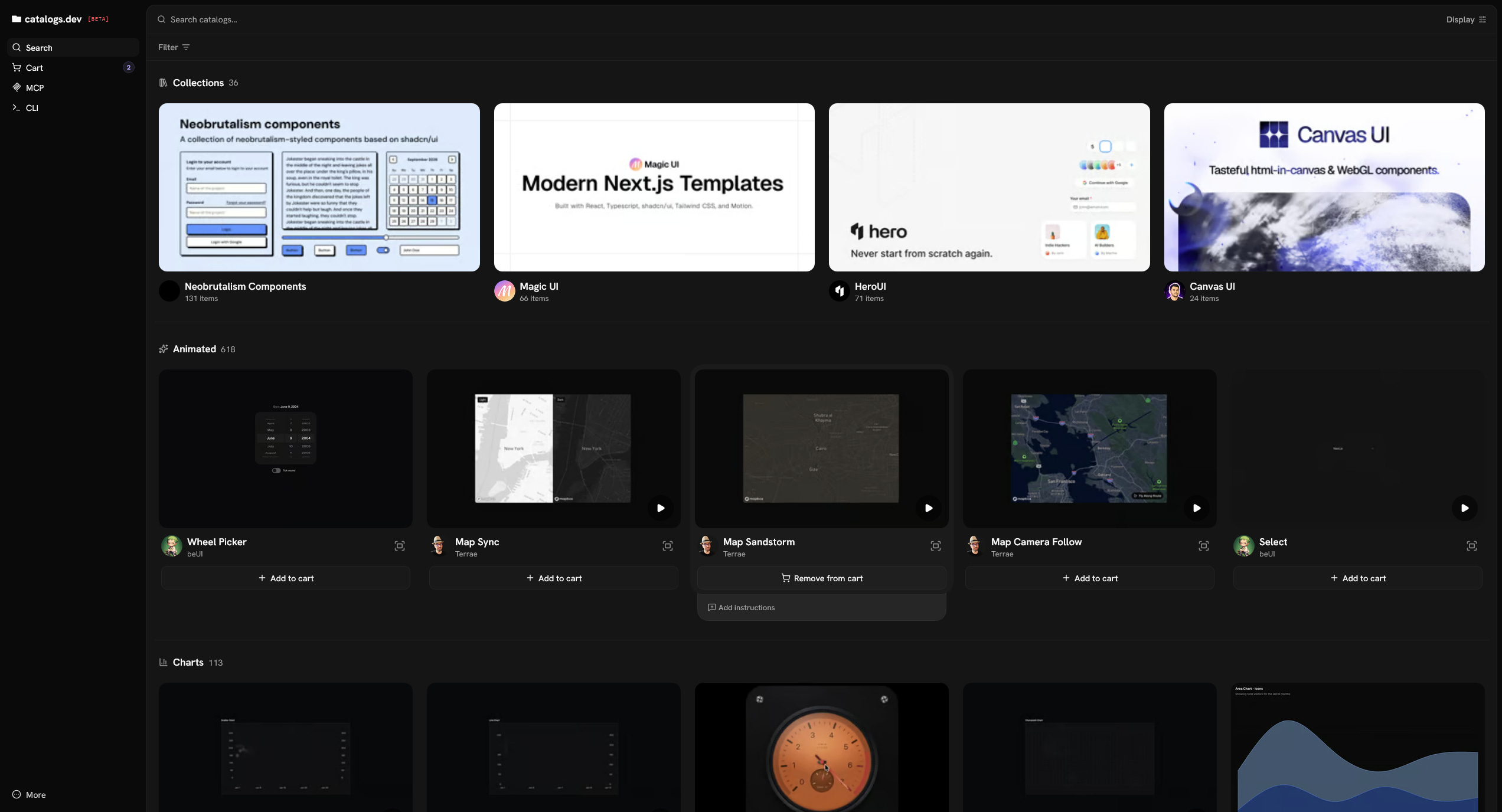
Catalogs is a visual component browser built for coding agents. You pick screens, charts, tables, and themes, add a few instructions, then hand the selection back as a prompt that fits the imports and conventions already in your codebase.
🔥 This Week’s Pick
Your coding agent may have your whole repo
ZCode’s upload was caught because a 256GB MacBook Air ran low on space. The developer found more than 700MB inside the app’s local folder, including encrypted workspace snapshots.
The biggest archive contained 42,411 files. About 87% of the payload was the Git directory, which can include deleted secrets, unpushed branches, old binaries, and internal repository paths.
The commercial archive failed to upload because it was too large. A smaller workspace did upload, and only Z.ai held the private key needed to decrypt it.
Z.ai removed the pipeline and open-sourced the current client. But to be fair, the clean source cannot prove what the older binary did because the repository history was flattened before release.
A complete Git history can expose deleted secrets, unreleased branches, and years of code that are no longer in the current files.
https://blog.ferstar.org/en/posts/zcode-silent-workspace-snapshot-upload
🧪 This Week’s Experiments
Check how large the hidden data folders for your coding agents have become, then open the biggest one.
Price one real workflow on GPT-6 Sol and Claude Opus 5.5 instead of comparing benchmark scores.
If your team runs GitLab, confirm it is newer than 19.3.1 before doing anything else.
Try Artemis on an Android emulator and see whether it can reproduce one bug without coordinates.